Resident Evil 2 / 2013–2015
Was the Resident Evil 2 Reborn Team Hired by Capcom?
What Capcom’s 2015 invitation to InvaderGames actually establishes: the Reborn shutdown, Osaka meeting, and the difference between a visit and a job.
What actually happened?
Resident Evil 2 Reborn stopped development in August 2015, after Capcom announced its own remake. InvaderGames says Capcom invited the team to Osaka to discuss ideas, and records a meeting with Capcom producers that October. That is a documented invitation and meeting—not evidence that Capcom hired the team or used its code. [1]
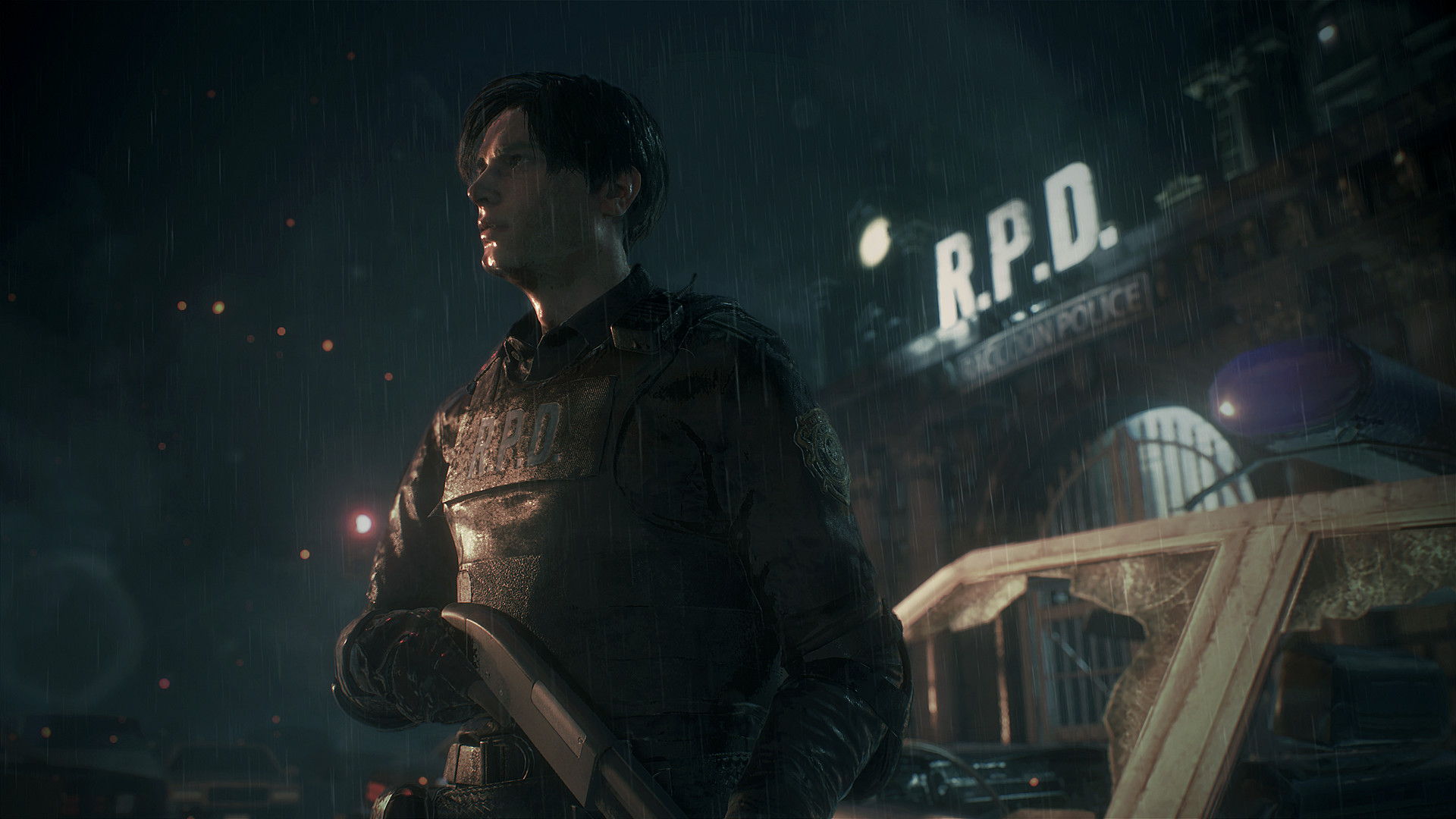
The timeline behind the headline
- 2013: InvaderGames begins its fan project.
- 2014: A Unity alpha becomes available.
- 2015: The team demonstrates an Unreal Engine 4 version.
- August 2015: Development ends following the official remake announcement; Capcom’s invitation follows.
- October 2015: The team’s history records the Osaka meeting. [1]
Three projects that should not be confused
| Project | What it represents |
|---|---|
| Resident Evil 2 | The original game that inspired the fan project |
| Resident Evil 2 Reborn | InvaderGames’ unofficial remake, discontinued in 2015 |
| Capcom’s Resident Evil 2 remake | The official commercial release from 2019 |
The shared setting and characters make screenshots easy to mislabel. A modern image of Leon in the police station does not establish that a particular scene came from Reborn. That is why the image above is identified as context from the official remake.
Why the invitation matters
Our analysis: Stopping a project and recognizing its creators are different decisions. A publisher can want one official version of a game while still valuing the enthusiasm and practical work visible in a fan prototype. The invitation matters because it shows that ending development did not prevent a conversation.
It does not tell us everything said in that room. Without a contract, credits or a direct statement, it would be a leap to turn professional contact into employment. It would be an equally unsupported leap to claim that no idea from the discussion could ever have influenced anyone. The honest account stops at what the record establishes.
What players can learn from a remake prototype
A familiar room can feel different when the camera, movement and visibility change. The interesting design question is not simply whether a fan version has newer graphics. It is whether the new viewpoint preserves the uncertainty that made the original space tense.
That gives a player a useful way to compare remakes: look at what information the camera reveals, how an enemy becomes visible, and how much time remains to respond. These questions examine the experience rather than treating technical polish as a substitute for atmosphere. They are a framework for comparison, not claims that we tested the discontinued build.
The important distinction
Reborn’s story is unusual enough without a fictional happy ending. The project ended; its creators received an invitation. Keeping both facts visible makes the story more useful than either “fans were crushed” or “fans were hired.” The evidence supports a more specific account.